Sudoku logic meets + − × ÷: every cage must hit its target.
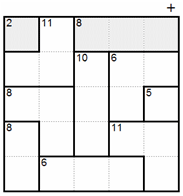
Calcudoku, also known as KenKen, KenDoku and Mathdoku, takes the rows and columns of Sudoku and adds arithmetic. Every row and every column holds each number once, and the grid is divided into outlined cages. Each cage has a target number, and the numbers inside it must reach that target using +, −, × or ÷.
The puzzle was invented in 2004 by Japanese maths teacher Tetsuya Miyamoto as a form of brain training, and it still rewards exactly that: a mix of quick sums and careful logic. Small 4x4 and 6x6 grids are common in newspapers. Our standard-size books use full-size 9x9 grids, which give you longer, more satisfying solves and cages that need real thought.
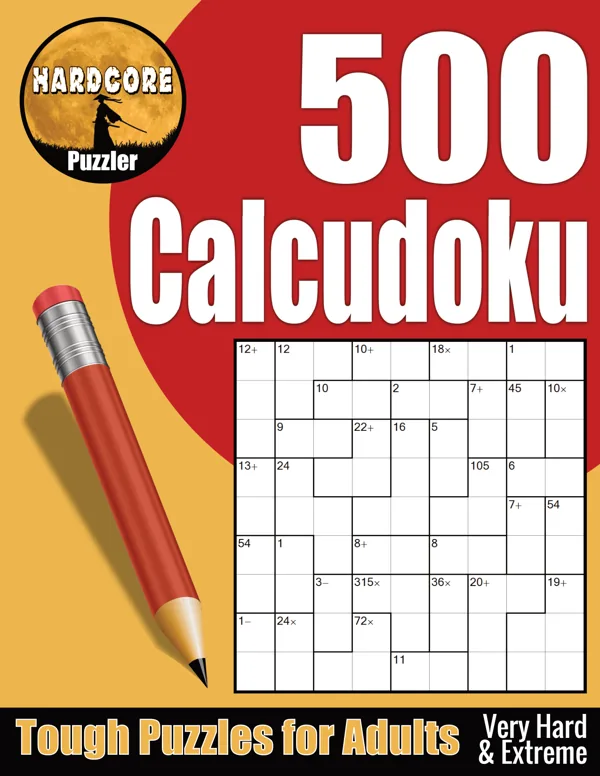
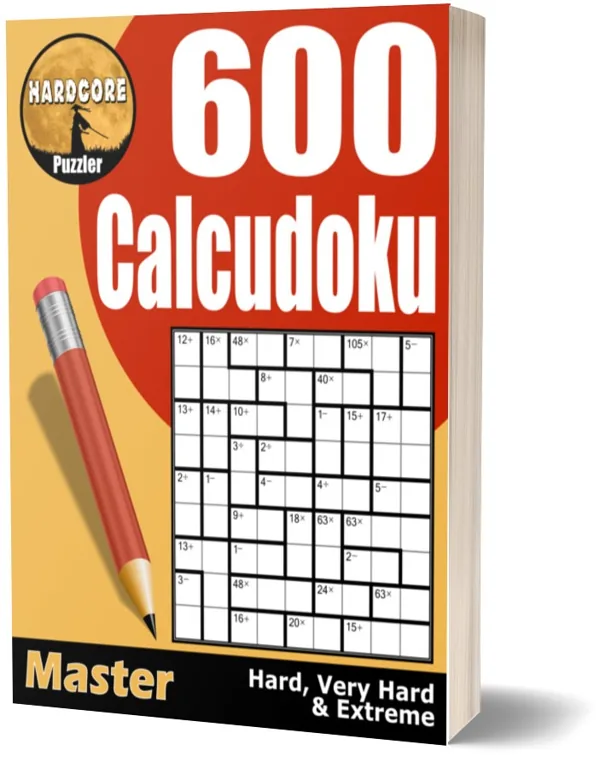
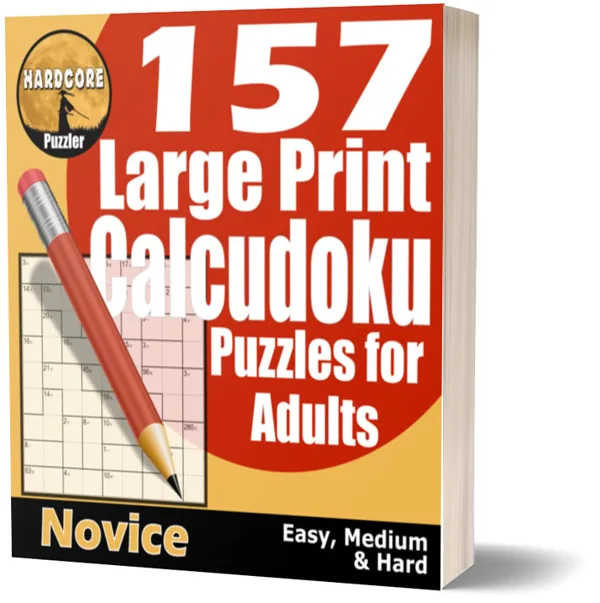
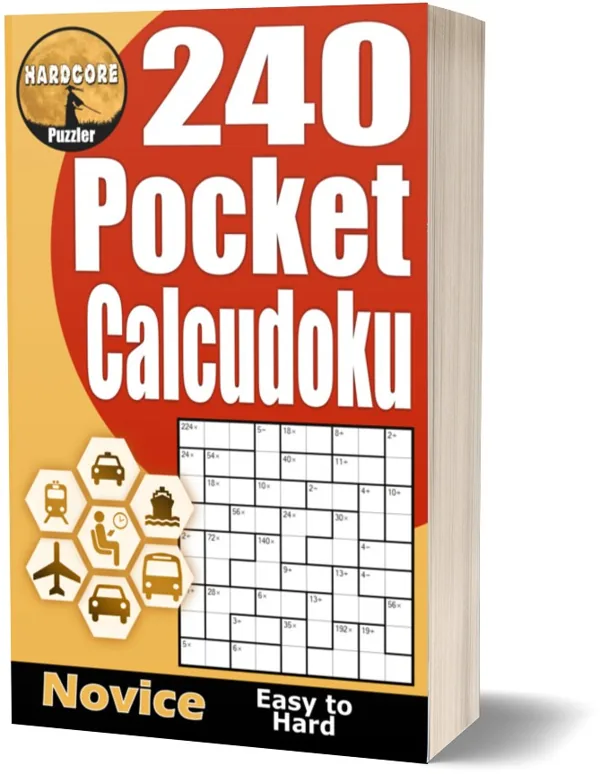
Pick the level that suits you. 600 Calcudoku comes in three rising levels, from Easy to Hard up to Hard to Extreme, so you can move up a book as your skills grow. Hard Core Calcudoku 500 is for experienced solvers only: every puzzle is Very Hard or Extreme. 157 Large Print Calcudoku gives you one big, clear puzzle on every page, and 240 Pocket Calcudoku fits in a bag for holidays and journeys.
You don't need to be good at maths to enjoy Calcudoku. The arithmetic is simple; the challenge is working out which combinations of numbers can fit each cage, and how the cages, rows and columns limit each other.
We publish four Calcudoku series with 11 books between them, from compact pocket books to large print. Each series page below explains what's inside, the levels on offer and who the books suit best, so you can compare them and find the right one quickly. If you enjoy Calcudoku, you may also like Killer Sudoku and Kakuro, which mix sums and logic in different ways.
New to the puzzle? The rules take a minute to learn. Our guide to solving Calcudoku explains them with small worked examples, then covers the cage combinations for each operation, the row and column totals rule, and mixed-operation puzzles.
Questions
Is Calcudoku the same as KenKen?
Yes. Calcudoku, KenKen, KenDoku and Mathdoku are different names for the same kind of puzzle: a grid where every row and column holds each number once, and every cage must reach its target with +, −, × or ÷.
How much maths do I need?
Only basic arithmetic: adding, subtracting, multiplying and dividing small numbers. The real challenge is the logic of working out which combinations fit each cage, not the sums themselves.
Can a number repeat inside a cage?
Yes, as long as the copies aren't in the same row or column. That's one of the big differences from Killer Sudoku, where every number in a cage must be different.
Which Calcudoku book should I start with?
Start with 600 Calcudoku Easy to Hard, or 157 Large Print Calcudoku Novice if you'd like bigger grids. Both start gently and build up, so you can learn the techniques before the cages get tough.